
Anti aging prevention Routine for Women in Their 30s Who Just Found Their First Fine Line
Table of Contents
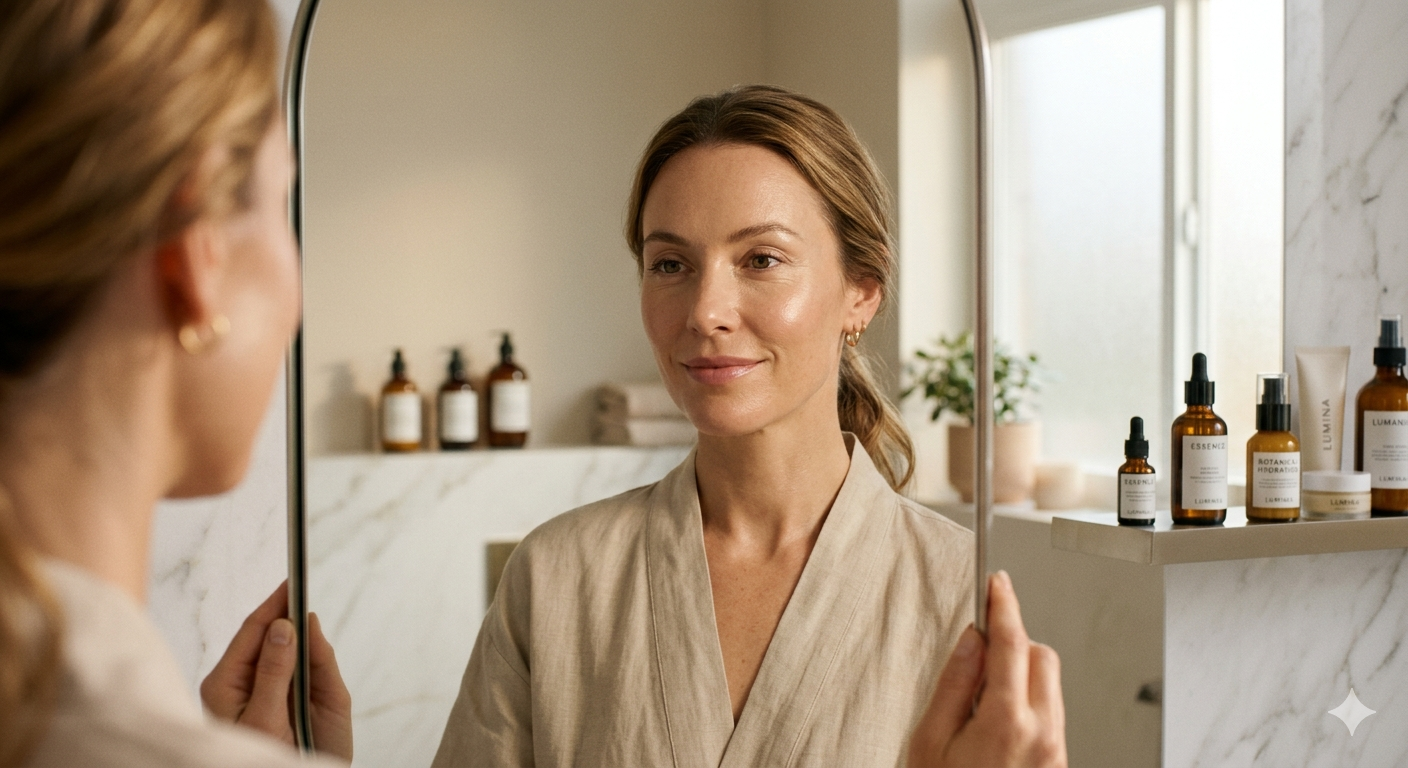
Discovering your first fine lines can feel like a sudden wake-up call. You might notice them around your eyes or mouth when you smile in the mirror. While this transition is a natural part of life, it serves as a vital reminder that your skincare needs are evolving.
Maintaining youthful skin is a marathon rather than a sprint. It requires consistent habits that support your biological health over the long term. By starting a proactive routine now, you can protect your complexion from future environmental damage.

Addressing these early changes today significantly impacts how your face looks in the coming years. This guide provides a comprehensive approach to help you navigate this new chapter with confidence. You will learn how simple, daily adjustments create lasting results for your appearance.
Key Takeaways
- Understand that early intervention is the secret to long-term skin health.
- View your skincare routine as a consistent, lifelong commitment.
- Learn to identify the specific needs of your skin in your thirties.
- Focus on hydration and protection to maintain a vibrant glow.
- Implement an effective anti aging prevention strategy that fits your lifestyle.
Understanding the Biology of Skin Aging in Your Thirties
Your skin undergoes a complex biological transformation as you transition into your thirties. While you may still feel youthful, your cells begin to shift their focus from rapid growth to maintenance and repair. This period marks a critical turning point where skin aging becomes more visible due to internal physiological changes.
Why Collagen Production Declines After Thirty
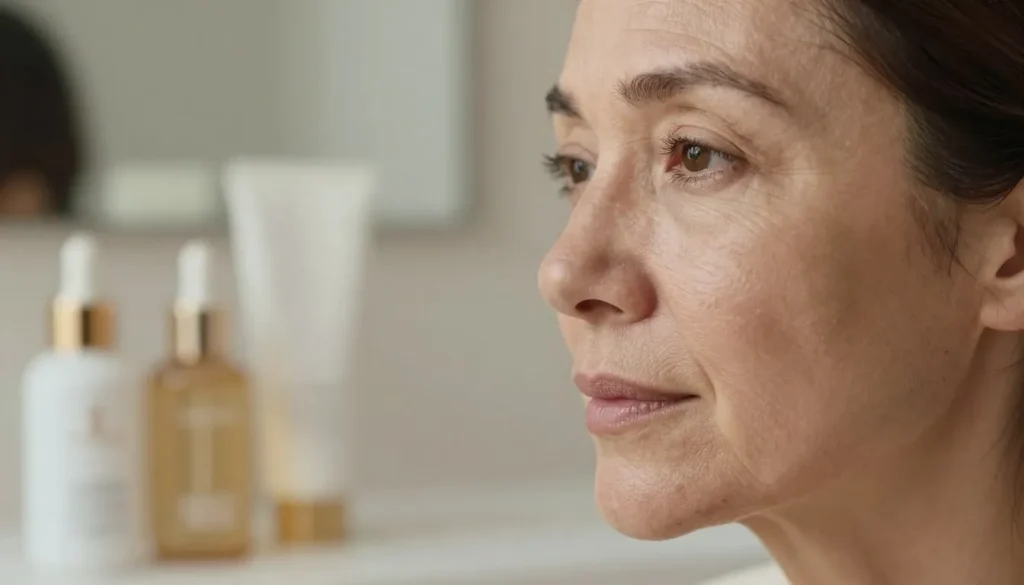
The primary structural protein responsible for your skin’s firmness is collagen. Unfortunately, collagen production naturally begins to slow down once you reach your thirties. You might notice that your skin feels slightly less bouncy or that fine lines appear more prominent after a long day.
This reduction in protein synthesis means your skin loses its ability to “snap back” into place. Over time, the underlying support structure weakens, leading to the early signs of texture changes. Maintaining a proactive approach is essential to support your skin’s structural integrity during this decade.
The Impact of Environmental Stressors on Your Skin Barrier
Beyond internal factors, your skin barrier faces constant challenges from the outside world. These environmental stressors, such as UV radiation, blue light, and urban pollution, actively degrade your skin’s protective outer layer. When this barrier is compromised, your skin loses moisture more quickly and becomes prone to irritation.
Protecting your complexion requires a deep understanding of how these external elements interact with your biology. By reinforcing your defenses, you can prevent premature damage and keep your complexion resilient. The following table highlights the differences between a healthy, protected barrier and one struggling with external damage.
| Feature | Healthy Skin Barrier | Stressed Skin Barrier |
| Moisture Retention | High and consistent | Low and prone to dryness |
| Texture | Smooth and firm | Rough or flaky |
| Sensitivity | Resilient to products | Reactive and prone to redness |
| Recovery Rate | Fast cellular turnover | Slow and sluggish |
The Foundation of Anti Aging Prevention
Your journey toward effective anti aging prevention begins by decoding the specific needs of your complexion. Before you invest in high-end products, you must first master the art of identifying your skin type. This initial step ensures that every bottle you purchase serves a clear, functional purpose in your daily life.

Assessing Your Current Skin Type and Needs
Understanding whether your skin leans toward oily, dry, or combination is the cornerstone of a healthy face. Oily skin often requires lightweight, non-comedogenic formulas to manage shine without clogging pores. Conversely, dry skin thrives on rich, emollient ingredients that restore the lipid barrier.
If you have combination skin, you likely experience an oily T-zone while the cheeks remain parched. You should look for balanced products that hydrate without adding excess weight to your forehead or nose. The following table provides a quick reference to help you categorize your needs:
| Skin Type | Primary Concern | Recommended Texture |
| Oily | Excess Sebum | Gel-based |
| Dry | Tightness | Cream-based |
| Combination | Uneven Balance | Lightweight Lotion |
Building a Consistent Morning and Evening Routine
Once you identify your skin type, you can construct a skincare routine that works for you. Consistency remains the most important factor in achieving long-term results and maintaining your skin’s structural integrity. Skipping steps or frequently changing products can disrupt your progress and irritate your delicate barrier.
Your morning ritual should focus on protection, while your evening session centers on repair and recovery. By committing to this disciplined approach, you create a reliable framework for your anti aging prevention strategy. Remember that your skin health is a marathon, not a sprint, and a steady skincare routine is your best tool for success.
Step One: Mastering Your Daily Cleansing Ritual
Proper cleansing serves as the essential foundation for every successful skincare routine. When you wash your face correctly, you remove impurities without stripping away the natural oils that keep your complexion supple. This initial step ensures that your skin is perfectly prepped for the active ingredients you apply later.
Choosing Gentle, pH-Balanced Cleansers
Your skin thrives when its natural acid mantle remains intact. Many traditional soaps are too alkaline, which can lead to dryness and irritation over time. By selecting a pH-balanced cleanser, you support your skin’s protective barrier and maintain its delicate balance.
Look for formulas that are free from harsh sulfates and synthetic fragrances. These gentle options effectively lift away dirt while keeping your moisture levels stable. Consistent daily cleansing with the right product prevents the tightness often associated with aging skin.
The Importance of Double Cleansing at Night
At the end of the day, your skin carries a heavy load of sunscreen, makeup, and environmental pollutants. A single wash is often insufficient to clear these stubborn layers from your pores. Double cleansing acts as a deep-cleaning method that ensures your skin is truly clean before you sleep.
Start with an oil-based balm or micellar water to dissolve oil-soluble debris. Follow this with your water-based cleanser to wash away any remaining residue. This two-step process allows your serums and moisturizers to penetrate more effectively, maximizing the benefits of your entire regimen.
| Cleansing Method | Primary Benefit | Best For |
| Oil-Based Cleanser | Dissolves makeup and SPF | All skin types |
| Gel Cleanser | Deep pore purification | Oily or combination skin |
| Cream Cleanser | Hydration and soothing | Dry or sensitive skin |
Step Two: The Non-Negotiable Role of Broad-Spectrum Sunscreen
Protecting your complexion from UV rays is the single most effective way to prevent premature aging. While serums and creams offer support, a broad-spectrum sunscreen acts as your primary defense against the environmental damage that causes fine lines and dark spots.
Without this daily barrier, your skin remains vulnerable to both UVA rays, which penetrate deep into the dermis, and UVB rays, which cause surface burning. Making this product a non-negotiable part of your morning ritual is the smartest investment you can make for your future self.
Selecting the Right SPF for Daily Wear
Finding the perfect formula can feel overwhelming, but the key is to prioritize protection and comfort. You should look for a broad-spectrum sunscreen that offers at least SPF 30 to ensure you are covered against the full spectrum of light.
Consider these factors when choosing your daily product:
- Texture: Choose a lightweight, non-comedogenic formula if you have oily or acne-prone skin.
- Finish: Opt for a matte finish for daily wear or a dewy finish if your skin tends to be dry.
- Ingredients: Look for mineral options like zinc oxide if you have sensitive skin that reacts to chemical filters.
“The best sunscreen is the one you will actually wear every single day, regardless of the weather or your plans.”
Why Reapplication is Essential for Prevention
Many people mistakenly believe that applying protection once in the morning is enough to last until sunset. Unfortunately, UV filters break down over time when exposed to light, sweat, and natural skin oils.
To maintain a consistent shield, you must reapply your broad-spectrum sunscreen every two hours if you are outdoors. Even if you spend most of your day inside an office, a quick touch-up during your lunch break ensures that your skin remains protected from incidental exposure through windows.
Consistency is the secret to long-term results. By keeping a travel-sized bottle in your bag, you ensure that your skin stays shielded from the damage that accelerates the aging process.
Step Three: Incorporating Retinoids for Cellular Turnover
Your journey toward smoother skin reaches a turning point when you begin using retinoids. These vitamin A derivatives are widely recognized as the gold standard in dermatology for their ability to accelerate cellular turnover. By encouraging your skin to shed dead cells more efficiently, these ingredients help reveal a fresher, more youthful complexion.
Starting with Over-the-Counter Retinol
When you are new to these powerful compounds, it is best to start with an over-the-counter retinol rather than a prescription-strength version. This allows your skin to build tolerance gradually without causing unnecessary stress to your moisture barrier. You should look for products with lower concentrations to ensure a gentle introduction.
Consistency is far more important than intensity when you first begin. Follow these simple guidelines to integrate them safely:
- Apply a pea-sized amount to clean, dry skin at night.
- Start by using the product only two or three times per week.
- Gradually increase frequency as your skin shows it can handle the active ingredients.
How to Manage Potential Irritation and Purging
It is common to experience a brief adjustment period when you first introduce retinoids into your routine. You might notice mild redness, dryness, or even a temporary breakout known as purging. This happens because the increased rate of cellular turnover brings underlying congestion to the surface more quickly than usual.
Do not be discouraged if your skin feels sensitive during these first few weeks. You can easily manage these side effects by following a few professional strategies:
“The key to success with active ingredients is patience and a focus on barrier health. Always pair your treatment with a high-quality moisturizer to keep the skin hydrated and resilient.”
If irritation persists, try the “sandwich method” by applying a thin layer of moisturizer before and after your retinol. This simple buffer helps reduce direct contact with the skin while still allowing the product to work effectively. Remember that your goal is long-term improvement, so listen to your skin and adjust your pace as needed.
Step Four: Hydration Strategies to Plump Fine Lines
Achieving a plump, resilient complexion starts with understanding how your skin retains water. As you enter your thirties, your skin may begin to lose its natural ability to hold onto moisture, which often leads to the emergence of fine lines. By prioritizing consistent skin hydration, you can effectively minimize these early signs of aging and maintain a youthful, dewy glow.
The Role of Hyaluronic Acid in Surface Hydration
One of the most effective ways to boost your moisture levels is by incorporating hyaluronic acid into your daily regimen. This powerful humectant acts like a sponge, drawing moisture from the environment directly into the surface layers of your skin. Because it can hold up to 1,000 times its weight in water, it provides an immediate smoothing effect that helps fill out the appearance of surface-level dehydration.
When applied to damp skin, this ingredient works wonders for your overall texture. It creates a plump, supple finish that makes your face look refreshed and well-rested. Regular use ensures that your skin remains hydrated throughout the day, preventing the tightness that often accompanies environmental exposure.
Locking in Moisture with Ceramides and Peptides
While humectants pull water in, you must also focus on sealing that moisture within your skin barrier. Ceramides are essential lipids that act as the “glue” holding your skin cells together, preventing transepidermal water loss. By reinforcing this barrier, you ensure that your skin hydration efforts are not wasted to evaporation.
Peptides serve as another vital component in your anti-aging toolkit. These amino acid chains act as messengers, signaling your skin to produce more collagen and elastin. When combined with ceramides, they create a robust defense against the environmental stressors that contribute to fine lines. This dual-action approach keeps your complexion firm and protected.
| Ingredient | Primary Function | Best For |
| Hyaluronic Acid | Surface Hydration | Plumping fine lines |
| Ceramides | Barrier Repair | Locking in moisture |
| Peptides | Collagen Support | Improving elasticity |
Step Five: Targeted Antioxidant Protection
Beyond basic hydration, your skin needs a powerful defense system to maintain its youthful glow. Environmental stressors like pollution and UV rays constantly bombard your complexion, leading to oxidative stress. By adding antioxidants to your daily regimen, you create a vital shield that neutralizes free radicals before they can damage your skin cells.
Benefits of Vitamin C Serums for Brightening
A high-quality vitamin c serum is a cornerstone of any effective morning routine. This potent ingredient works by inhibiting melanin production, which helps to fade dark spots and even out your complexion. When applied consistently, it provides a noticeable radiance that makes your skin look refreshed and awake.
Beyond brightening, this antioxidant helps stimulate collagen synthesis. This process is essential for maintaining firmness as you navigate your thirties. You will find that regular use leads to a more vibrant and healthy-looking appearance over time.
Using Niacinamide to Improve Skin Texture
While vitamin C focuses on brightness, niacinamide serves as a versatile powerhouse for your overall complexion. This form of Vitamin B3 is highly effective at refining skin texture by minimizing the appearance of enlarged pores. It also works to smooth out rough patches, leaving your face feeling soft and supple.
One of the greatest advantages of this ingredient is its ability to support a healthy skin barrier. It helps reduce redness and inflammation, making it an excellent choice for those with sensitive skin. By incorporating this into your routine, you can achieve a more refined skin texture while keeping your moisture barrier strong and resilient.
Lifestyle Habits That Accelerate Skin Aging
Beyond your vanity cabinet, your lifestyle choices dictate the speed of skin aging. While high-quality creams provide essential support, your internal health acts as the primary engine for cellular renewal. Adopting a holistic perspective ensures that your external efforts are not undermined by daily habits.
The Connection Between Sleep Quality and Skin Repair
Sleep is not merely a time for rest; it is a critical window for your body to perform essential maintenance. During deep sleep, your skin increases blood flow and produces new collagen to repair damage from the day. This natural cycle is vital for maintaining a firm and youthful appearance.
When you consistently cut your sleep short, your body struggles to complete these repair tasks. This lack of recovery can lead to dullness, dark circles, and a noticeable acceleration in skin aging. Prioritizing seven to nine hours of quality rest is one of the most effective ways to support your complexion from within.
Managing Stress and Its Effect on Cortisol Levels
Chronic stress triggers the release of cortisol, a hormone that can wreak havoc on your skin. Elevated cortisol levels often lead to increased inflammation, which breaks down collagen and elastin fibers over time. By managing your stress, you protect your skin’s structural integrity and prevent premature fine lines.
Incorporating mindfulness, exercise, or simple breathing techniques can help lower your stress response. These small adjustments reduce the internal triggers that contribute to visible skin aging. Taking control of your mental well-being is a powerful tool in your long-term beauty strategy.
| Habit Category | Impact on Skin | Resulting Benefit |
| Consistent Sleep | Boosts Collagen Production | Improved Elasticity |
| Stress Management | Lowers Cortisol Levels | Reduced Inflammation |
| Balanced Nutrition | Provides Antioxidants | Protects Against Skin Aging |
Professional Treatments to Consider for Early Intervention
If you are ready to take your skincare to the next level, professional interventions offer powerful solutions for early aging signs. While your daily habits form the backbone of skin health, clinical procedures can address concerns that topical products might miss. These treatments provide a more intensive approach to maintaining a smooth and vibrant complexion.
Chemical Peels for Surface Smoothing
Chemical peels are an excellent way to achieve deep surface smoothing by removing layers of dead skin cells. By accelerating the natural exfoliation process, these treatments reveal fresher, brighter skin underneath. This process helps to soften the appearance of fine lines and improves overall skin tone significantly.
Microneedling for Collagen Induction
When you want to address skin firmness, microneedling is a highly effective option. This procedure creates tiny, controlled micro-injuries that trigger your body’s natural healing response. This process is essential for stimulating collagen production, which helps to plump the skin and reduce the depth of early wrinkles.
Consulting with a licensed dermatologist or aesthetician is the best way to determine which of these advanced treatments suits your specific goals. They can assess your skin type and recommend a plan that aligns with your unique needs. Investing in professional care now can help you maintain your skin’s resilience for years to come.
Common Mistakes to Avoid in Your Early Anti-Aging Journey
Achieving lasting results in your thirties means knowing exactly what to avoid as much as knowing what to apply. While you focus on active ingredients, you might be overlooking simple mistakes that hinder your skin’s natural recovery. Following these anti-aging tips will help you protect your complexion from unnecessary stress.
Over-Exfoliating and Damaging the Skin Barrier
It is tempting to scrub your face daily to achieve a smooth glow, but this often leads to disaster. Over-exfoliation strips away the natural oils that keep your skin barrier healthy and resilient. When this protective layer is compromised, you may experience redness, stinging, and increased sensitivity to your other products.
Instead of aggressive physical scrubs, opt for gentle chemical exfoliants used only a few times per week. Always listen to your skin; if it feels tight or inflamed, take a break from active treatments. Protecting your skin barrier is the most effective way to maintain a youthful appearance over time.
Ignoring the Neck and Décolletage
Many people focus exclusively on their face, leaving the neck and chest area neglected. These zones have thinner skin and fewer oil glands, making them prone to showing signs of aging much earlier than your cheeks or forehead. Incorporating these areas into your daily routine is one of the most important anti-aging tips you can follow.
Apply your serums, moisturizers, and sunscreen in a downward motion from your jawline to your chest. This simple habit ensures that your skin tone remains consistent and firm as you age. Consistency is the key to preventing premature wrinkles in these delicate areas.
| Habit Category | Recommended Action | Common Pitfall |
| Exfoliation | Use mild acids 2-3 times weekly | Daily scrubbing of the skin barrier |
| Sun Protection | Apply SPF to face, neck, and chest | Ignoring the décolletage area |
| Routine Focus | Consistent, gentle maintenance | Over-using harsh active ingredients |
Conclusion
Your journey toward maintaining youthful skin starts with the choices you make today. Consistency remains the most powerful tool in your beauty arsenal. Small, daily habits build a strong foundation for your complexion over the coming decades.
Patience plays a vital role in your skincare success. Results from products like CeraVe moisturizers or SkinCeuticals serums appear gradually as your cells renew. Trust the process as you nurture your skin barrier with care.
Your skin acts as a mirror for your overall health and wellness. Prioritizing quality sleep and stress management supports the work you do with your topical treatments. These lifestyle factors amplify the benefits of your routine.
You possess the knowledge to navigate your thirties with confidence and grace. Protecting your face from environmental damage ensures you keep your youthful skin for years to come. Embrace this proactive approach to aging as a form of self-care that pays dividends for your future self.
Share your favorite skincare discoveries with friends who seek similar results. Engage with your local dermatologist to refine your plan as your needs evolve. Your commitment to healthy habits defines the glow you carry forward.
FAQ
How soon should you expect to see visible results from a new anti-aging routine?
Patience is essential when starting a professional-grade regimen. While products containing Hyaluronic Acid provide an almost immediate plumping effect, deeper cellular changes take time. For ingredients like Retinol or Vitamin C, you should typically wait 8 to 12 weeks to observe significant improvements in fine lines and skin texture. Consistency with brands like SkinCeuticals or Obagi ensures that you are supporting your skin’s natural 28-day turnover cycle effectively.
Can you rely on the SPF in your daily makeup for adequate protection?
No, the SPF in foundation or tinted moisturizers is rarely enough to protect you from photoaging. To achieve the level of protection stated on the label, you would need to apply a much larger amount of makeup than is practical. It is vital to apply a standalone, broad-spectrum sunscreen like EltaMD UV Clear or La Roche-Posay Anthelios as the final step of your skincare routine, before your makeup application, to ensure you are fully shielded from UVA and UVB rays.
What is the best way to introduce retinoids if you have sensitive skin?
If you are concerned about retinization—the period of redness and peeling—start with a low-concentration over-the-counter retinol and use the “sandwich method.” This involves applying a layer of moisturizer, then your retinoid, followed by another layer of moisturizer to buffer the active ingredient. Alternatively, you might consider Bakuchiol, a plant-based alternative found in products like Herbivore Bakuchiol Serum, which offers similar anti-aging benefits without the typical irritation associated with Vitamin A derivatives.
Why is it important to extend your skincare routine to your neck and chest?
The skin on your neck and décolletage is thinner and has fewer oil glands than the skin on your face, making it more prone to crepiness and sun damage. Neglecting this area is a common mistake that can lead to a visible “age gap” between your face and body. Always extend your antioxidant serums and sunscreen down to your chest to prevent premature sagging and hyperpigmentation.
How does Vitamin C benefit your skin when paired with Ferulic Acid?
A: Vitamin C is a potent antioxidant, but it can be unstable. When combined with Ferulic Acid and Vitamin E, its photoprotective doubling effect is significantly enhanced. This combination neutralizes free radicals generated by pollution and infrared radiation. Using a stabilized serum, such as SkinCeuticals C E Ferulic, helps brighten your complexion and stimulates collagen synthesis more effectively than Vitamin C alone.
Is double cleansing necessary if you do not wear heavy makeup?
Yes, double cleansing is highly beneficial even on “no-makeup” days. The first step, typically an oil-based cleanser or micellar water like Bioderma Sensibio H2O, breaks down stubborn water-resistant sunscreen and excess sebum. The second step, using a pH-balanced water-based cleanser, removes any remaining impurities. This ensures your skin barrier is perfectly clean, allowing active ingredients like peptides and niacinamide to penetrate more deeply.
What are the benefits of incorporating Niacinamide into your evening routine?
A: Niacinamide (Vitamin B3) is a versatile ingredient that helps strengthen your skin’s lipid barrier and minimize the appearance of enlarged pores. It also regulates oil production and fades post-inflammatory hyperpigmentation. Using a formula like The Ordinary Niacinamide 10% + Zinc 1% can help soothe your skin and reduce redness, making it an excellent companion to more aggressive treatments like chemical exfoliants or retinoids.
How can you prevent Transepidermal Water Loss (TEWL) during the night?
To keep your skin plump and hydrated, you must seal in moisture to prevent Transepidermal Water Loss. Look for moisturizers containing Ceramides, Squalane, and Fatty Acids. These ingredients mimic your skin’s natural oils to lock in hydration. For an extra boost, you can apply a thin layer of an occlusive balm like Aquaphor Healing Ointment over your night cream—a technique known as “slugging”—to wake up with a more resilient and hydrated complexion.
When should you transition from at-home care to professional treatments like Microneedling?
While a solid home routine is the foundation of anti-aging, professional treatments provide deeper intervention. Microneedling, or collagen induction therapy, creates controlled micro-injuries that trigger the body’s natural healing response, significantly boosting collagen and elastin production. If you notice that your fine lines are becoming static (visible even when your face is at rest), consulting a dermatologist for a series of chemical peels or microneedling sessions can provide a more dramatic smoothing effect.
Can lifestyle factors like “Skin Cycling” help prevent irritation?
A: Skin Cycling is a strategic method designed to prevent over-exfoliation and barrier damage. It involves a four-night rotation: one night of chemical exfoliation, one night of retinoid use, followed by two nights of recovery focusing solely on hydration and barrier repair. This approach ensures your skin receives the benefits of powerful actives without compromising the health of your acid mantle, which is crucial for maintaining a youthful glow in your thirties.