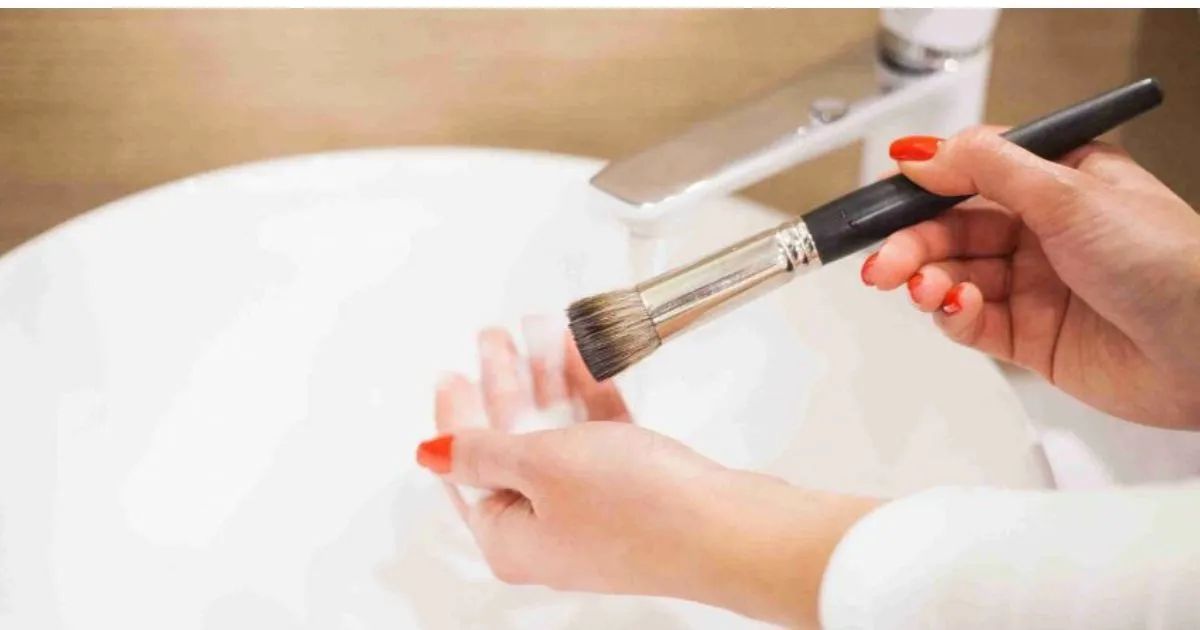
How to Clean Makeup Brushes: 7 Simple Tips for Healthy Skin
Table of Contents
Makeup brushes are essential tools in your beauty arsenal, but they can quickly become breeding grounds for bacteria if not properly maintained. Learning how to clean makeup brushes is crucial for protecting your skin and ensuring flawless makeup application. Neglected brushes can cause breakouts, skin irritation, and even transfer harmful microorganisms directly onto your face.
Makeup brush hygiene isn’t just about keeping your tools looking pristine. It’s a critical step in maintaining healthy skin and getting the most out of your makeup routine. Whether you’re a professional makeup artist or a beauty enthusiast, understanding the right cleaning techniques can transform your skincare and makeup experience.
This guide will walk you through seven simple yet effective methods to keep your makeup brushes clean, sanitized, and in top condition. You’ll discover practical tips that make brush cleaning quick, easy, and essential to your beauty regimen.
Key Takeaways
- Regular brush cleaning prevents skin breakouts and irritation
- Dirty brushes can harbor harmful bacteria and compromise makeup application
- Proper cleaning extends the life of your makeup tools
- Simple techniques can make makeup brush hygiene effortless
- Clean brushes ensure smoother, more professional makeup results
Why Regular Makeup Brush Cleaning Matters for Your Skin
Your makeup brushes might look innocent, but they can harbor a hidden world of potential skin dangers. Each time you apply makeup, your brushes collect a mix of bacteria, dead skin cells, oils, and old product residue that can wreak havoc on your complexion.
The Hidden Dangers of Dirty Makeup Brushes
Bacteria on makeup brushes is more than just a minor inconvenience. These microscopic organisms can multiply rapidly, creating a breeding ground for potential skin infections and breakouts. When you continue using dirty makeup brushes, you’re essentially spreading these harmful microorganisms across your face with every application.
- Dirty makeup brushes can cause acne breakouts
- Bacteria can lead to skin irritation and inflammation
- Unclean brushes compromise your skin’s natural barrier
How Often Should You Clean Your Brushes
The frequency of cleaning depends on your brush type and usage. Professional makeup artists and frequent users should follow a more rigorous cleaning schedule:
- Liquid or cream makeup brushes: Clean weekly
- Powder brushes: Clean every two weeks
- Eye makeup brushes: Clean more frequently due to sensitivity
Spot cleaning after each use can help manage bacteria on makeup brushes between deep cleaning sessions. By maintaining a consistent cleaning routine, you’ll protect your skin and extend the life of your valuable makeup tools.
Essential Supplies You’ll Need for Brush Cleaning
Cleaning your makeup brushes doesn’t require an expensive toolkit. With a few key supplies, you can keep your brushes in top condition and protect your skin from harmful bacteria. Your makeup brush cleaner journey starts with gathering the right essentials.
Here are the must-have supplies for effective brush cleaning:
- Gentle Cleansing SolutionsBaby shampoo
- Mild dish soap
- Specialized makeup brush cleaner
- Natural brush cleaners like castile soap
- Cleaning ToolsTextured cleaning mat or glove
- Clean white towels
- Shallow bowl or clean sink
- Optional ExtrasBrush guards
- Antibacterial essential oils
- White vinegar for disinfection
When selecting a makeup brush cleaner, prioritize gentle, skin-friendly ingredients. Natural brush cleaners work wonderfully for removing makeup residue while protecting delicate bristles. Consider creating your own DIY cleaner using olive oil, dish soap, and a few drops of tea tree oil for added antibacterial protection.
Your brush cleaning toolkit doesn’t need to be complicated or expensive. Focus on gentle, effective cleaning methods that will extend the life of your brushes and keep your skin healthy.
How to Clean Makeup Brushes Using Gentle Soap
Cleaning your makeup brushes is crucial for maintaining healthy skin and preserving your favorite beauty tools. The best way to clean makeup brushes involves understanding the specific needs of your brush types and using the right techniques.
Choosing the Right Cleanser for Different Brush Types
Not all brushes are created equal. When it comes to synthetic vs natural brushes, you’ll need to take different approaches to cleaning:
- Synthetic Brushes: Made from nylon or polyester, these are more durable and can withstand slightly stronger cleaning solutions.
- Natural Brushes: Crafted from animal hair, these require gentler, more moisturizing cleansers to prevent damage.
Selecting the right cleanser is key to maintaining your brush collection. Look for pH-balanced options that are gentle on bristles while effectively removing makeup residue.
Step-by-Step Washing Technique
Follow this careful method to clean your makeup brushes without causing damage:
- Wet bristles with lukewarm water, pointing downward
- Apply a small amount of gentle soap to your palm or cleaning mat
- Gently swirl brush in circular motions to create a lather
- Massage bristles to release trapped makeup
- Rinse thoroughly under running water
- Squeeze out excess water from base to tip
Pro tip: Never submerge your brushes completely or soak them. This can loosen the glue holding the bristles and cause permanent damage.
| Brush Type | Recommended Cleanser | Cleaning Frequency |
|---|---|---|
| Synthetic Foundation Brushes | Mild dish soap or specialized brush cleaner | Weekly |
| Natural Eye Brushes | Gentle baby shampoo | Every 2 weeks |
| Powder Brushes | Gentle soap with conditioning properties | Bi-weekly |
Deep Cleaning Methods for Stubborn Product Buildup
When your regular makeup brush cleaning routine isn’t enough, professional makeup brush care requires a more intensive approach. Deep clean makeup brushes with specialized techniques that remove even the most stubborn product residue.
Start by understanding the two-step deep cleaning method:
- Use an oil-based pre-treatment to break down makeup
- Follow with a thorough soap-based cleansing
- Disinfect and restore brush bristles
Create a powerful deep-cleaning solution by mixing:
| Ingredient | Purpose | Ratio |
|---|---|---|
| Antibacterial dish soap | Removes bacteria and buildup | 2 parts |
| Olive oil | Conditions natural bristles | 1 part |
The deep cleaning process involves carefully working the oil-based solution into dry bristles, allowing it to dissolve makeup residue. Gentle circular motions help break down stubborn product without damaging brush fibers.
Pro tip: Add a tablespoon of white vinegar to your final rinse water. This helps disinfect brushes and removes any lingering soap residue that could cause bristle stiffness.
Knowing when to deep clean is crucial. Professional makeup artists recommend a monthly deep clean for frequently used brushes or immediately after working with high-pigment or long-wearing makeup products.
Proper Drying Techniques to Maintain Brush Shape
Drying makeup brushes properly is a critical step in makeup brush maintenance that many people overlook. The way you dry your brushes can significantly impact their longevity, performance, and overall quality.
Common Drying Mistakes to Avoid
Some typical errors can permanently damage your makeup brushes during the drying process. Watch out for these critical mistakes:
- Never stand wet brushes upright in a cup, as water can seep into the ferrule
- Avoid using heat sources like hair dryers or direct sunlight
- Don’t lay brushes completely flat on a towel, which can cause uneven drying
Best Positions for Air Drying Your Brushes
To dry makeup brushes properly, follow these expert techniques:
- Position brushes horizontally with bristles hanging slightly over the edge of a counter
- Ensure good air circulation around all sides of the brush
- Gently reshape bristles while they’re still damp
Professional makeup artists recommend using brush guards or mesh protectors to maintain the shape of larger brushes during drying. The ideal drying time ranges from 6-12 hours, depending on the brush size and density.
Pro Tip: Patience is key in makeup brush maintenance. Never rush the drying process!
By implementing these proper drying techniques, you’ll protect your investment and ensure your makeup brushes remain in top condition for years to come.
Quick Daily Maintenance Between Deep Cleans
Keeping your makeup brushes clean doesn’t always require a full washing routine. Daily brush cleaning can be simple and quick, helping you maintain hygiene between deep cleaning sessions. Effective makeup brush cleaning tips can save you time and protect your skin from potential bacterial buildup.
Your daily maintenance toolkit should include a few essential items:
- Brush cleaning spray
- Microfiber cloth
- Dedicated cleaning pad
- Dry brush cleaner sponge
The key to daily brush cleaning is developing a quick routine. After each makeup application, take a moment to spot clean your brushes. Spray a specialized cleaning solution or a homemade mix of rubbing alcohol and water onto the bristles. Gently swipe the brush across a clean microfiber cloth to remove excess product and potential bacteria.
For brushes used with multiple color applications, use a dry brush cleaner sponge to quickly switch between shades. This technique prevents color contamination and reduces the frequency of thorough washing. Store your brushes upright in a clean, dry holder to promote air circulation and prevent moisture buildup.
Consider rotating between multiple brushes of the same type. This practice allows each brush to air out between uses, particularly for brushes used with liquid or cream products. By implementing these simple daily makeup brush cleaning tips, you’ll extend the life of your brushes and maintain optimal makeup application hygiene.
Signs Your Makeup Brushes Need Immediate Cleaning
Your makeup brushes are more than just beauty tools – they’re potential breeding grounds for bacteria and skin irritants. Knowing when to clean makeup brushes naturally can protect your skin and extend your makeup brush lifespan.
Recognizing the warning signs of brush contamination is crucial for maintaining healthy skin and optimal makeup application. Your brushes send clear signals when they need attention.
Visual Warning Signs of Brush Contamination
- Visible makeup buildup caked into bristles
- Discoloration of brush fibers
- Stiff or crunchy bristle texture
- Uneven or streaky makeup application
Performance Indicators of Brush Deterioration
Pay attention to how your brushes perform during makeup application. Decreased blending quality, increased product usage, and inconsistent coverage are red flags that your brushes need cleaning.
| Sign | Potential Issue | Recommended Action |
|---|---|---|
| Unpleasant odor | Bacterial growth | Immediate deep cleaning |
| Skin breakouts | Contaminated brush | Clean or replace brush |
| Bristle shedding | Brush wear and tear | Consider replacement |
Serious Health Warning Signs
Some signs demand immediate attention. Unexpected skin irritations, eye infections, or a musty smell from your brushes indicate potential bacterial contamination. Your skin’s health is paramount – don’t ignore these critical warnings.
Regular inspection and cleaning of your makeup brushes can prevent skin problems and ensure a smooth, hygienic makeup application. When in doubt, clean your brushes naturally or consider replacing them to maintain optimal skin health.
Extending the Lifespan of Your Makeup Brushes
Professional makeup brush care goes beyond simple cleaning. Your makeup brushes are precision tools that deserve careful maintenance to maximize their performance and longevity. With the right approach to makeup brush maintenance, you can significantly extend the life of your valuable beauty investments.
Consider these essential strategies for keeping your brushes in top condition:
- Store brushes upright in a clean, dry container to prevent bristle deformation
- Avoid exposing brushes to direct sunlight or extreme temperatures
- Use protective cases when traveling to prevent damage
- Clean brushes regularly but gently to maintain their shape and quality
Pro tip: Natural hair brushes can last up to 10 years, while synthetic brushes typically remain in excellent condition for 3-5 years with proper care.
Gentle handling is crucial in professional makeup brush care. Always apply makeup with light, sweeping motions to prevent bristle splaying or damage. When cleaning, use lukewarm water and mild soap, never scrubbing harshly or pulling on the delicate bristles.
“Treat your brushes like delicate instruments, and they’ll reward you with flawless makeup application for years to come.”
Regular maintenance includes periodic conditioning for natural hair brushes. A small amount of hair conditioner can help keep bristles soft and prevent brittleness. Watch for signs of wear such as shedding, misshapen bristles, or decreased performance – these indicate it might be time to replace your brush.
By implementing these makeup brush maintenance techniques, you’ll protect your investment and ensure consistently beautiful makeup application.
Conclusion
Mastering how to clean makeup brushes is more than a routine—it’s an essential part of your skincare and beauty regimen. By implementing the makeup brush cleaning tips we’ve explored, you’re protecting your skin from harmful bacteria and ensuring your tools perform at their best. Your commitment to regular brush maintenance can prevent breakouts, extend the life of your makeup brushes, and improve overall application quality.
Start small by setting a realistic cleaning schedule that fits your lifestyle. Whether you choose to deep clean once a week or perform quick daily maintenance, consistency is key. Remember that these simple techniques require minimal time and effort but deliver significant benefits. Clean brushes mean smoother makeup application, healthier skin, and tools that look and feel professional.
Your skincare investment goes beyond expensive creams and serums—it includes the tools you use daily. By dedicating just a few minutes to proper brush cleaning, you’re taking a proactive step towards preventing skin irritation and maintaining a radiant complexion. Take action today by assessing your current brushes and implementing at least one new cleaning technique from this guide.
Embrace brush cleaning as a form of self-care, not a chore. With practice, these makeup brush cleaning tips will become second nature, helping you achieve flawless makeup looks and keeping your skin healthy and glowing. Your future self will appreciate the time and effort you’re investing in your beauty routine right now.
FAQ
How often should I clean my makeup brushes?
You should clean your foundation and concealer brushes weekly, eye makeup brushes every two weeks, and powder brushes every two to three weeks. Professional makeup artists recommend spot cleaning after each use and deep cleaning monthly to maintain optimal brush hygiene and performance.
What happens if I don’t clean my makeup brushes regularly?
Dirty makeup brushes can become breeding grounds for bacteria, dead skin cells, and old makeup. This can lead to serious skin issues like acne, clogged pores, skin irritation, and potential bacterial or fungal infections. Unclean brushes can also cause uneven makeup application and reduced brush performance.
Can I use regular soap to clean my makeup brushes?
It’s recommended to use gentle cleansers specifically designed for makeup brushes or mild options like baby shampoo, castile soap, or specialized brush cleaning solutions. Avoid harsh detergents that can damage brush bristles and strip natural oils from natural hair brushes.
How long do makeup brushes typically last?
With proper care, natural hair brushes can last 5-10 years, while synthetic brushes typically last 3-5 years. The lifespan depends on frequency of use, cleaning routine, and how well you maintain and store your brushes.
What’s the best way to dry makeup brushes after cleaning?
Always air dry brushes horizontally with bristles hanging slightly over the edge of a counter. Avoid standing them upright or using heat sources like hairdryers, which can damage bristles. Ensure brushes are completely dry (6-12 hours) before storing or using them again.
Can dirty makeup brushes cause skin breakouts?
Yes, dirty makeup brushes are a significant cause of skin breakouts. Bacteria, oil, and old makeup accumulate on brush bristles, which can transfer to your skin during application, leading to clogged pores, acne, and skin irritation.
Do I need special equipment to clean my makeup brushes?
While specialized tools like brush cleaning mats can be helpful, you don’t need expensive equipment. Basic supplies like gentle soap, lukewarm water, a clean towel, and a shallow bowl are sufficient for effective brush cleaning.
How do I know when it’s time to replace my makeup brushes?
Replace your brushes when you notice significant signs of wear such as excessive shedding, bristles that won’t return to their original shape, a persistent unpleasant odor, or brushes that no longer apply makeup smoothly and evenly.